

Why Pre-Development Land Matter for the Future of Housing Supply
Real estate begins with land. It is the most fundamental and scarce resource in the housing supply chain. As demand for new homes grows and supply constraints intensify, controlling the right land early and strategically becomes essential.
Today’s housing market faces several pressures, including limited supply, increased build costs, regulatory delays, and constrained demand due to unaffordable housing and financing costs. In this environment, pre-development land is more than real estate inventory: it is a strategic asset. For Walton Global, pre-development land represents the opportunity to deliver land to support homebuilders to help meet housing demand.
This article explains what pre-development land is, why it matters, and how informed land strategy plays a central role in the future of residential development.
What is Pre-Development Land, and Why Does It Matter?
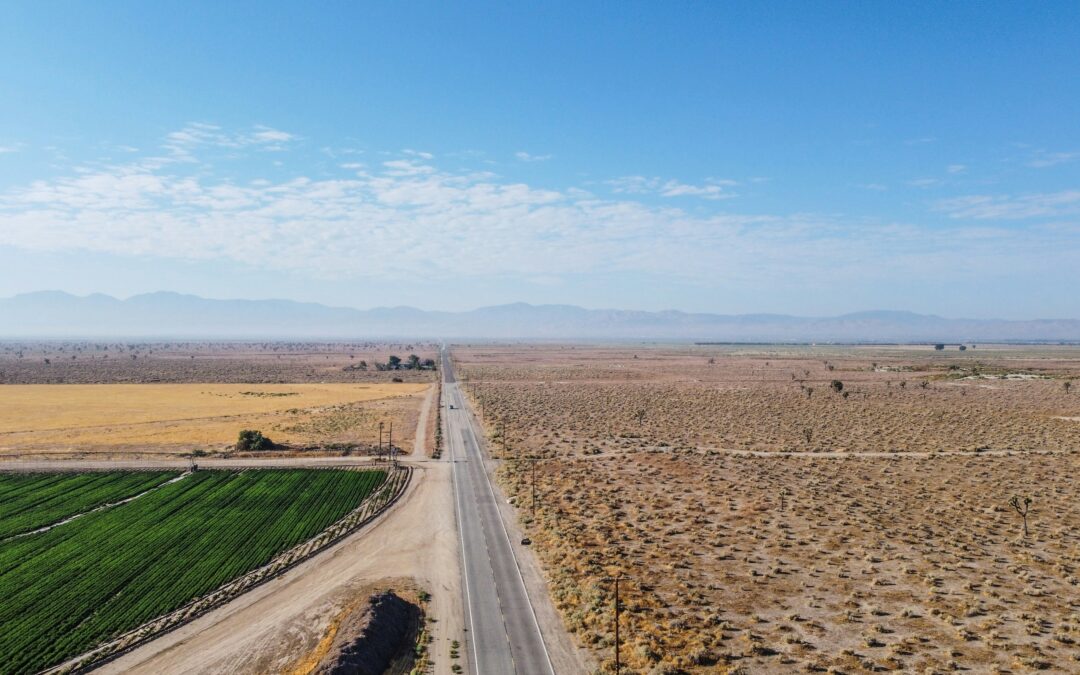
Pre-development land refers to parcels acquired before construction activity begins. These parcels are typically located in markets positioned for urban growth. Their markets benefit from population growth, employment gains, new infrastructure, and long-term economic momentum.
Pre-development land matters because it offers:
- Early entry into growth markets: Land becomes scarce as regions mature. Acquiring land early, before competition intensifies, offers a significant advantage.
- Potential for value creation: As infrastructure improves and demand for housing increases, land values can appreciate over time.
- Flexibility while preparing for development: Holding land in this stage allows time for zoning, entitlement work, planning, and coordination with builders.
- A foundational role in the housing supply chain: Without land prepared for future development, builders struggle to meet the demand for new homes. Pre-development land is where the entire housing pipeline begins.
“Acquiring, maintaining, and appreciating pre-development land is critical for the housing supply chain. It requires planning for future market cycles, and if we do not invest thoughtfully today, we limit the communities we can build tomorrow.”
— Shane Doherty, Executive Vice President, Real Estate at Walton Global
Understanding the Land Cycle and Walton’s Contribution
Every parcel of land goes through a cycle before it becomes a finished community with ready-to-sell homes. Walton specializes in managing the early and most critical stages of this process:
- Land Identification and Acquisition
Research-driven methodology is required, beginning with high-level regional analysis, detailed metro and sub-market review, and a narrowed-down review of specific parcels. This involves evaluating population growth, job creation, housing demand, infrastructure investment, and market constraints. This process helps identify land located in what Walton describes as the path of growth.
- Capital Deployment and Structuring
After identifying a parcel, capital must be deployed. This may occur through various investment structures, allowing individuals or a broad group of investors to participate. Historically, direct ownership of land was concentrated among large institutions or homebuilders. Walton provides programs that make land more accessible as an asset class.
Homebuilders appreciate partnering with firms, such as Walton, because it defers a significant portion of capital in the development process. Builders increasingly prefer a land-light model where their focus is on building homes rather than holding land on their balance sheets.
- Land Management and Preparation
After the land is acquired, it goes through the entitlement process. This is completed by working with key stakeholders within the sub-market. Landowners or land managers and specialized consultants work and coordinate with public officials to plan, zone, and engineer future infrastructure to service lots and homes that fit the market and the surrounding communities. This stage lowers risk for developers and builders who eventually purchase and develop the land.
- Builder or Developer Take Down
Once the land is ready, parcels are transferred to builders or developers. Land agreements are executed in several ways, but as builders intend to gain access to land only when they need it, land agreements optioned in rolling takes are more prevalent. Investors receive value based on market demand and timing, while homebuilders receive just-in-time inventory.
Why Traditional Land Banking No Longer Meets Today’s Needs
In previous housing cycles, many builders purchased and held large land inventories. As the market evolved, this strategy became less efficient. Builders today prefer to conserve capital, remain flexible, and focus resources on construction rather than long-term land positions.
Several market forces drive this shift:
- Rising land prices in many markets
- Increased development and regulatory complexity
- Pressure on builders to optimize capital and manage risk
This has created a significant opportunity for specialized land asset managers who can source, prepare, and deliver land when builders need it. Walton’s model aligns directly with this shift toward efficient land access and just-in-time lotsupply.
“The builder landscape has changed dramatically. Builders operate faster, leaner, and more strategically. Our role is to ensure land supply keeps pace with that evolution by allowing builders access to land without sacrificing capital efficiency.”
— Shane Doherty, Executive Vice President, Real Estate at Walton Global
What Differentiates Walton in the Land and Housing Ecosystem?
Walton’s approach stands out because of several characteristics:
- Extensive experience: Walton has 47 years of experience working with land across multiple regions, asset classes, and market cycles.
- Global capital access: Walton connects global investors with land opportunities across North America.
- Analytical and disciplined acquisition: Walton leverages a network of experienced clients and consultants to evaluate market research, data, and community stakeholders within structured evaluation methods to select parcels with strong long-term potential within the path of growth.
- Alignment with homebuilder needs: Walton supports builders by offering land at the right time, instead of requiring builders to carry large land inventories.
- Flexibility across markets and land uses: Walton manages land for residential, industrial, commercial, and mixed-use development, depending on market demand.
Why is Pre-Development Land Critical for the Future of Housing?
Pre-development land plays an important role in addressing the national housing shortage. Housing cannot be delivered efficiently unless land is secured and prepared in advance.
Key benefits include:
- Increased future housing supply
- Reduced planning and entitlement burden for builders
- Improved ability to time development with market demand
- Long-term value capture through early entry into growth markets
- Support for community planning rather than reactive construction
As interest rates, demographics, and migration patterns shift, land positioned in the path of growth becomes an increasingly important resource.
Land is often overlooked in public conversations about real estate, yet it remains the essential building block of every community. Pre-development land is particularly important, as it sets the trajectory for future growth and housing capacity.
Thoughtful land strategy has the potential to unlock new supply, support builders, and enable better planned communities. As the housing market continues to evolve, companies that focus on intelligent land acquisition and stewardship will help shape the future of residential development.
This is why land matters. It is not only a real asset – it’s the foundation of long-term growth, community development, and opportunity.
